

Are Highly Sensitive People Neurodiverse?
Are highly sensitive people neurodiverse? This intriguing question taps into the complexities of human behavior and neurological diversity. Highly sensitive individuals exhibit a range of characteristics, from being deeply empathetic to feeling overwhelmed by sensory stimuli. The intersection of these traits with the concept of neurodiversity invites exploration, raising questions about how we understand sensitivity, inclusivity, and mental health. If you’re curious about what it means to be a highly sensitive person and how this may relate to the broader spectrum of neurodiversity, read on! From the traits that define sensitivity to the implications on social interactions and mental health, we will delve deep into this captivating topic.
Understanding Highly Sensitive People
Being a highly sensitive person (HSP) isn’t merely a personality quirk; it’s a recognized trait that impacts how individuals perceive and interact with the world. Coined by psychologist Elaine Aron in the 1990s, the term describes those who have heightened sensitivity to sensory inputs, emotional nuances, and social environments. HSPs are often intellectually and emotionally in-tune with their surroundings, which can lead to introspection and creativity.
One critical aspect of understanding highly sensitive people is their sensory processing sensitivity (SPS). This is a genetic trait that makes them more alert and responsive to environmental stimuli. For example, many HSPs may experience strong reactions to loud noises, bright lights, or bustling crowds. These stimuli can be overwhelming and may lead to withdrawal, fatigue, or anxiety. Interestingly, this level of sensitivity allows HSPs to become highly attuned to the needs of others, fostering empathy and compassion.
However, being highly sensitive also brings challenges. HSPs might struggle to assert themselves in social situations, often feeling a burden from the intense feelings they experience. This can lead to difficulties in relationships and job performance, particularly in environments that do not value or understand sensitivity.
The question of whether highly sensitive people are neurodiverse goes beyond merely labeling them as different. Neurodiversity encompasses a variety of neurological conditions, including autism, ADHD, and dyslexia, which are often characterized by distinct cognitive patterns and behaviors. While HSPs do not fall into these specific diagnostic categories, their unique neurological makeup raises the question of whether they belong to the neurodiversity movement.
Characteristics and Challenges of Highly Sensitive People
When we think about the characteristics of HSPs, we can easily find traits that align with what many consider neurodiverse behaviors. Highly sensitive people often display an intense awareness of their surroundings. They may notice subtle changes in others’ moods, which means they can read social cues with incredible finesse. This ability to empathize can create deeper connections with others, but it can also be overwhelming. How often have HSPs felt a wave of emotions wash over them in a crowded room?
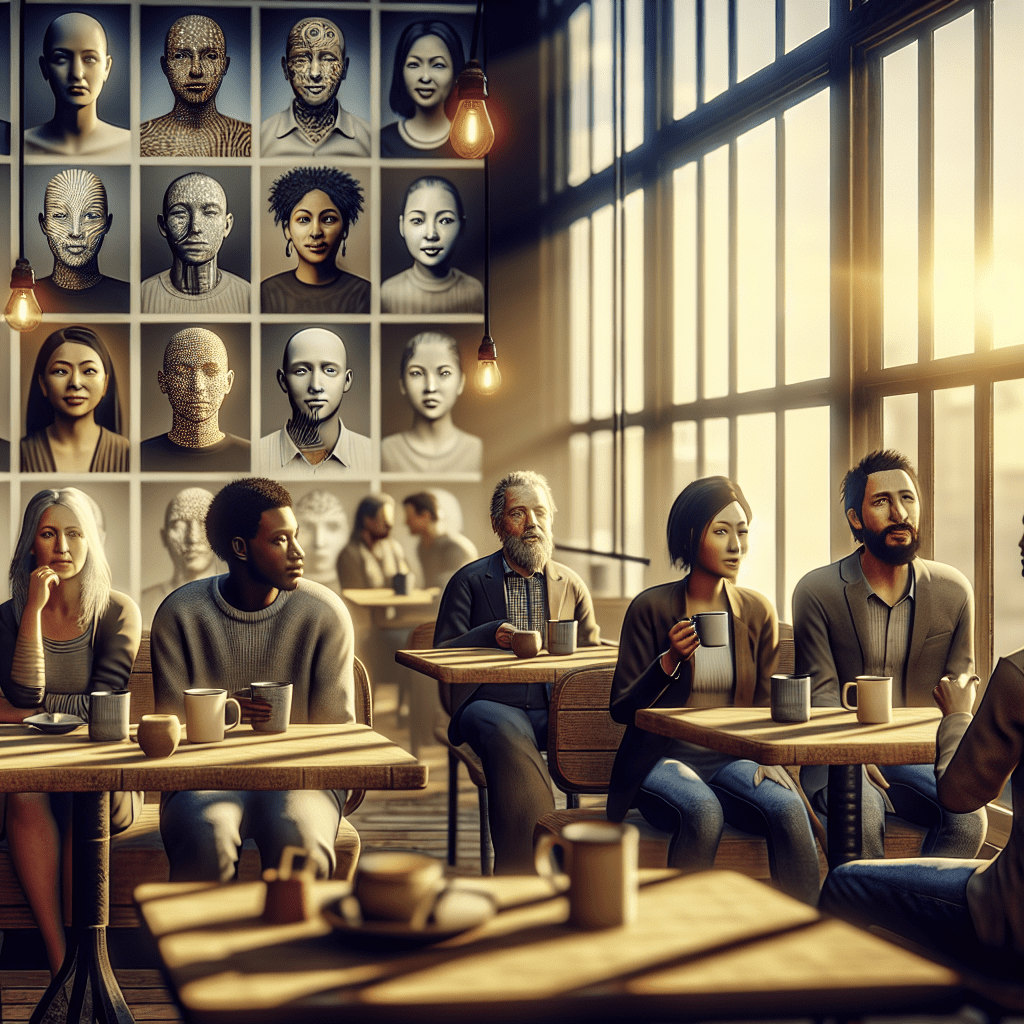
Despite their gifts, highly sensitive people often face societal challenges. The world is primarily designed for individuals with a standard range of sensory processing, making everyday activities daunting for those who are highly sensitive. Imagine walking into a loud, bustling café filled with bright lights and chatter—an experience that could feel exhilarating for some but exhausting or even painful for an HSP. These challenges lead to mental and emotional fatigue, which can spiral into anxiety or depression.
Additionally, the stigma surrounding sensitivity can exacerbate these feelings. Many highly sensitive individuals feel pressure to conform to societal norms that undervalue their emotions, leading to a struggle with self-acceptance. They may hear phrases like “don’t be so sensitive” too frequently, which invalidates their experiences.
As mental health awareness evolves, it’s essential to highlight that being sensitive is not inherently a flaw. Many HSPs who embrace their sensitivity find avenues for thriving, such as pursuing careers in creative fields, counseling, or social services. Through these fields, they can utilize their deep understanding of emotions and human connection to make positive impacts.
Neurodiversity and Its Implications
The neurodiversity movement promotes the acceptance of different neurological conditions as part of human diversity. It challenges traditional views that classify certain cognitive styles as disordered or abnormal. The question of whether highly sensitive people are neurodiverse also connects to how we frame discussions about mental health and neurodiversity.
Within this context, it’s necessary to advocate for systemic changes to better accommodate and support various brain types. For instance, workplaces increasingly recognize the value of diverse thinking—HSPs’ emotional insight, creativity, and empathy can enrich collaboration and innovation. In educational settings, teachers who understand and value high sensitivity can adjust their teaching methods to foster a supportive learning environment for HSPs.
For highly sensitive individuals navigating a world often insensitive to their needs, prioritizing self-care is vital. This involves setting boundaries, creating spaces for rejuvenation, and seeking communities that affirm their experiences. Neurodiversity advocates emphasize creating inclusive environments that support everyone’s ability to thrive, including those who are highly sensitive.
Strategies for Highly Sensitive People in Navigating Life
So, how can highly sensitive people (HSPs) thrive in an often overwhelming world? Here are a few tips and strategies:
- Setting Boundaries: Learning to say no when situations become overwhelming is crucial. HSPs should prioritize their well-being over societal expectations.
- Creating Safe Spaces: Having environments where they feel comfortable can aid in managing sensory overload. Consider spending time in quieter places or engaging in calming activities.
- Mindfulness Practices: Techniques like meditation or deep breathing can help ground HSPs during stressful moments.
- Connect with Others: Finding community among other highly sensitive individuals can provide comfort and understanding.
- Educate Others: Sharing experiences and knowledge about sensitivity with friends and family helps build support and understanding.
Proactive Approaches for Acceptance and Self-Care
Embracing high sensitivity as a part of their identity rather than a flaw is essential for HSPs. Engaging with knowledgeable resources can help in this process. For instance, reading books by experts on sensitivity can provide informative insights into their experiences.
Seeking therapy can also be valuable. Therapists familiar with the nuances of high sensitivity can offer coping tools that are tailored to individual needs. Cognitive-behavioral techniques, for example, can be beneficial in reframing negative thoughts regarding their sensitivity.
In essence, individuals with high sensitivity can adopt proactive measures that enhance their quality of life while fostering acceptance in their communities. By equipping themselves with the right tools and information, they can navigate the world with confidence and authenticity.
Conclusion
So, are highly sensitive people neurodiverse? The short answer is yes, in the sense that they possess unique neurological traits that set them apart. However, HSPs do not all fit neatly into the traditional categories of neurodiversity. Recognizing their experiences and advocating for inclusivity is critical for both HSPs and society as a whole. By embracing high sensitivity, honoring its gifts, and understanding the challenges, we create a more compassionate world. Ultimately, the conversation around neurodiversity must include the vast spectrum of human experience—valuing each individual’s unique contributions. This validation transforms challenges into strengths, turning sensitivity into an asset rather than a hindrance. So, whether you’re a highly sensitive person or someone seeking to understand them better, take a moment to appreciate the beauty of this unique spectrum of human experiences.
Frequently Asked Questions (FAQs)
1. What defines a highly sensitive person?
A highly sensitive person is someone who experiences heightened sensory processing and emotional responses. This means they are more aware of their surroundings and often feel emotions more intensely than others.
2. How can someone know if they are highly sensitive?
Individuals may identify as highly sensitive if they often feel overwhelmed in busy environments, have deep emotional reactions, or are particularly attuned to the feelings of others. Various self-assessment tools and questionnaires can help clarify sensitivity levels.
3. Is being highly sensitive a disorder?
No, high sensitivity is not classified as a disorder. Instead, it’s viewed as a personality trait that influences how individuals perceive and interact with the world.
4. Can highly sensitive people thrive in the workplace?
Yes, with the right support and understanding, HSPs can excel in the workplace. Their ability to empathize and connect with colleagues can foster a collaborative environment, enhancing teamwork.
5. Are there specific mental health challenges associated with being a highly sensitive person?
Highly sensitive individuals may experience heightened anxiety, stress, or burnout in reaction to overwhelming stimuli. Recognizing these challenges and seeking supportive coping strategies is essential for mental well-being.
What benefits do you get if you are autistic?
Is ADHD a Form of Autism? Understanding the Differences and Similarities