
Do neurodivergent people like to be alone?
Discovering the social preferences of neurodivergent individuals can be a complex topic, intertwined with personal experiences, neurodiversity, and social conventions. Many people wonder, do neurodivergent people like to be alone? The answer is nuanced, reflecting a spectrum of preferences that vary widely among individuals. This article aims to delve deep into the intricacies surrounding this question, highlighting the unique needs, challenges, and affinities that neurodivergent individuals might experience when it comes to solitude versus social interaction. Whether you’re looking for insight for yourself or simply seeking to better understand someone in your life, this exploration will shed light on the ways in which neurodivergence interacts with personal preferences for socialization. By understanding these subtleties, we can build a more inclusive world that accommodates varied needs and preferences.
Understanding Neurodivergence
To appreciate the question do neurodivergent people like to be alone?, it is essential to first clarify what neurodivergence means. Neurodivergence refers to variations in the human brain and its functions, which can lead to differences in behavior, communication, and social skills. Common forms of neurodivergence include Autism Spectrum Disorder (ASD), Attention Deficit Hyperactivity Disorder (ADHD), Dyslexia, and more. Each of these categories encapsulates a range of experiences and characteristics that can affect social interactions and preferences.
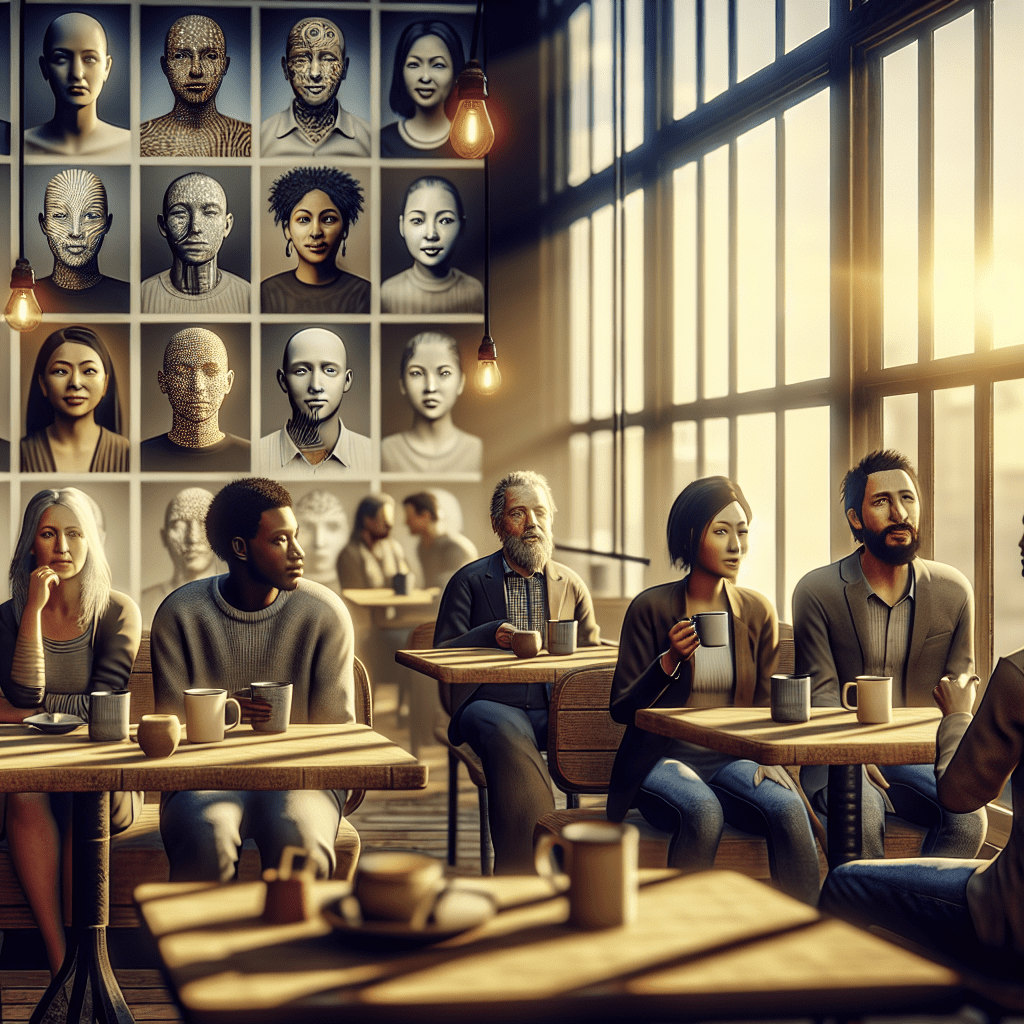
Neurodivergent individuals often navigate a world built for neurotypical people—those whose brain function aligns with societal norms. As such, their needs and preferences can diverge significantly. For example, someone with ASD might find social situations overwhelming due to sensory sensitivities or difficulties in understanding social cues, leading them to prefer solitary activities. On the other hand, a person with ADHD might thrive in social settings but simultaneously crave moments of solitude to recharge and regain focus. This diversity in experience leads to questions like, do neurodivergent people like to be alone? Different individuals answer this question in a myriad of ways.
Many neurodivergent individuals report that solitude can be incredibly beneficial. Being alone may offer a respite from the intense stimulation that often accompanies social interactions. For those who experience sensory overload, a calm, quiet environment can provide an essential moment to recharge. However, it’s essential to recognize that this preference for being alone isn’t universal among neurodivergent individuals. Just as with neurotypical people, some neurodivergent folks thrive in social settings, enjoying the company of friends and family without feeling overwhelmed—indicative of their diversity.
In conclusion, while the question do neurodivergent people like to be alone? may seem straightforward, the answer is anything but. It truly depends on the individual, their experiences, and their specific neurodivergent traits. The vast spectrum of neurodiversity means we cannot generalize but can instead highlight personal preferences and the importance of an accommodating environment.
Do neurodivergent individuals experience social challenges?
Social interactions can pose unique challenges for many neurodivergent individuals. These challenges can stem from various sources, such as difficulty in reading social cues, understanding subtle aspects of communication, or handling sensory overload during social gatherings. The complexity of these interactions can lead many neurodivergent individuals to ask themselves, do neurodivergent people like to be alone? Their experiences often influence their preferences for alone time versus social engagement.
For someone on the autism spectrum, engaging in a social setting may require a considerable amount of energy, focus, and emotional regulation. The inability to intuitively pick up on social cues or navigate small talk can lead to stress and frustration. As they encounter difficulties in engaging with others, they may cultivate a strong preference for solitary activities that allow for control and comfort, such as reading, gaming, or pursuing hobbies that spark joy. This preference doesn’t equate to an aversion to social interaction; rather, it highlights a dependence on environment and context.
For those with ADHD, social environments can offer stimulation and excitement, leading to enjoyable experiences. Yet high stimulation can also be counterproductive, particularly when distractions abound. As a result, these individuals may often oscillate between wanting social interaction and needing solitude to regain focus. The question do neurodivergent people like to be alone? can be contextualized further when considering moments of burnout that can stem from overstimulation.
Another aspect to consider is the influence of societal expectations on neurodivergent individuals when navigating social scenarios. Cultural norms often promote the idea of social engagement as a measure of one’s value or success. This pressure can exacerbate social anxiety and deter authentic interactions. Neurodivergent people might find themselves torn between societal expectations to socialize and their inherent preferences for solitude or limited social circles. This balance can be challenging to manage.
In conclusion, while it’s clear that neurodivergent individuals may face unique challenges in social situations, their responses to these experiences can vary widely. The complexity of their experiences suggests that individual preferences ultimately define whether they find solace in solitude or joy in social interaction. Thus, when questioning do neurodivergent people like to be alone?, understanding these nuances becomes crucial.
The benefits of solitude for neurodivergent individuals
Exploring whether neurodivergent people like to be alone ushers us into a conversation about the benefits of solitude. For many neurodivergent individuals, alone time offers a much-needed sanctuary from the whirlwind of social dynamics and sensory inputs. Solitude can provide them with an opportunity to recharge mentally and emotionally, without the demands or pressures of social engagement clashing with their unique needs.
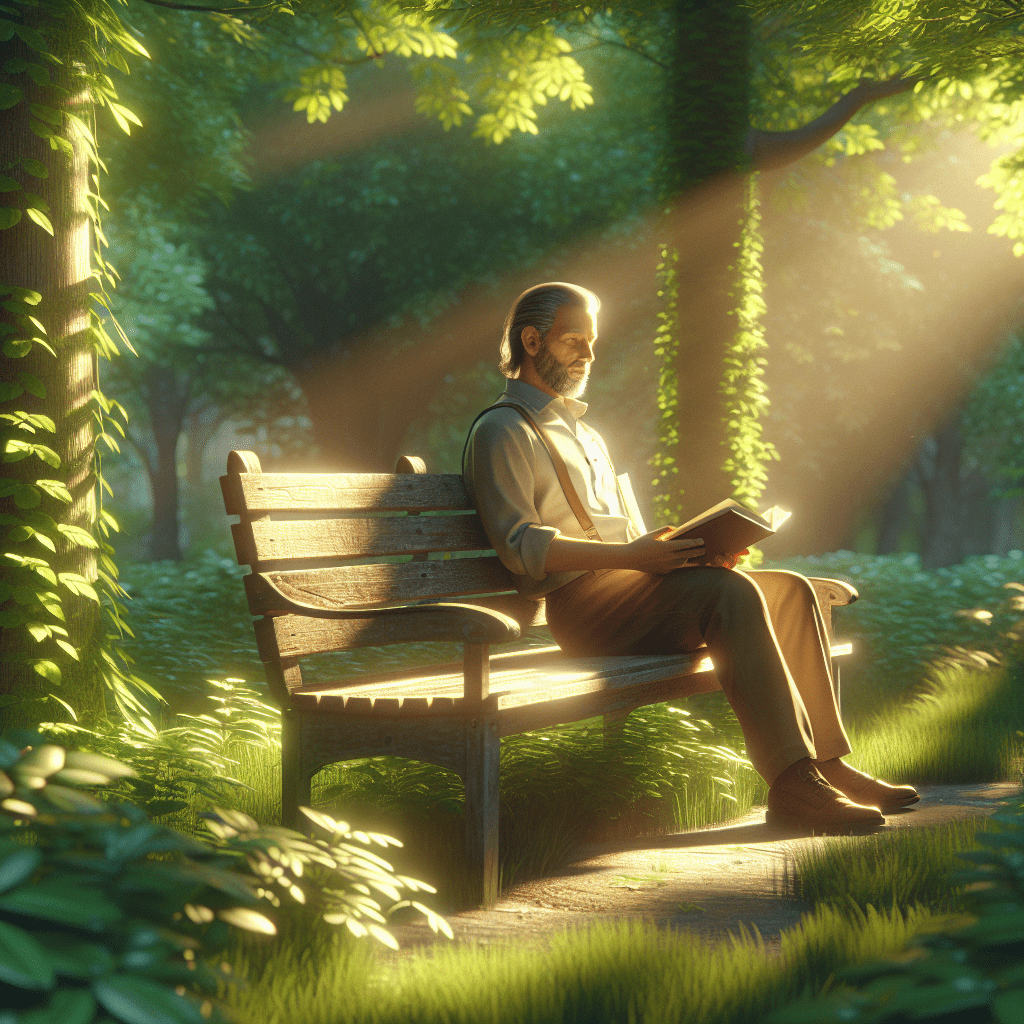
One primary benefit of solitude is the chance to engage in self-reflection and personal interests. Many neurodivergent individuals thrive in their own worlds, whether it’s through art, writing, gaming, or any number of solitary pursuits. This time allows them to delve deeper into their passions without external distraction. Rather than viewing alone time as loneliness, these individuals can experience it as a form of empowerment, fostering creativity and growth.
In addition, solitude can offer a valuable respite from sensory overload. For example, someone with sensory sensitivities may find that social gatherings, with their bustling noise and visual distractions, become overwhelming. Taking time alone in a cozy corner with calming music or engaging with a favorite hobby can help maintain emotional equilibrium and prevent burnout. This phenomenon reinforces the idea that solitude can be integral to well-being.
Also, for those with neurodivergent traits, time spent alone can facilitate focus and productivity. Be it a workspace free of distractions or a quiet reading nook, many find that their ability to concentrate is significantly enhanced in solitude. This newfound clarity can lead to fulfilling and engaging experiences in personal projects, hobbies, or even professional endeavors.
Moreover, solitude allows individuals to cultivate independence and build self-reliance. Learning to enjoy one’s own company can be transformative, particularly for those who may have experienced social struggles. Engaging in solitary activities can validate one’s worth beyond social interactions, fostering a sense of identity and self-acceptance.
In summary, whether neurodivergent individuals like to be alone is often aligned with the multitude of benefits they can derive from solitude. Creating space to honor individual preferences can lead to increased well-being, promoting a balanced, fulfilling life that embraces both social engagements and personal time.
Conclusion
As we’ve explored, the question do neurodivergent people like to be alone? traverses a landscape of complexity, emphasizing that neurodivergence encompasses a vast array of experiences and preferences. The inclination towards solitude versus social engagement is not a blanket statement that fits all. Instead, it is mediated by personal experiences, social challenges, and the intrinsic benefits of solitude.
By nurturing an understanding of these preferences, we can engage in more compassionate discourses surrounding neurodivergence. Advocacy for inclusive practices in social settings and educational environments can provide neurodivergent individuals with the flexibility they need to thrive. Ultimately, viewing the question of solitude versus socialization through a lens of individual needs and preferences promotes a more inclusive society, one that acknowledges and respects the rich tapestry of human experiences.
FAQs
1. Is it common for neurodivergent people to prefer solitude?
Many neurodivergent individuals report enjoying time alone, but it varies widely. Preferences can be influenced by personal traits, such as those present in ADHD, ASD, or sensory sensitivities.
2. Do neurodivergent individuals face social challenges?
Yes, social challenges rooted in misunderstandings, sensory overload, or communication differences can lead neurodivergent individuals to feel overwhelmed in social situations.
3. Can solitude benefit mental health for neurodivergent individuals?
Absolutely! Alone time can aid in mental health, offering opportunities for reflection, creativity, and emotional regulation without the pressures of social dynamics.
4. How can I support neurodivergent friends regarding socialization?
Be understanding and supportive of their preferences. Encourage open conversations about their needs and create spaces where they feel safe when engaging in social settings.
5. Is socializing beneficial for neurodivergent individuals?
It can be! Many neurodivergent individuals enjoy socialization but may require breaks to recharge. Finding a balance between social engagement and solitude is essential.
What does it mean to be Neurodivergent sleeping?