
What are neurodiverse people good at?
Discover the unique strengths of neurodiverse individuals. Learn what neurodiverse people are good at and embrace their talents! Neurodiversity encompasses a range of neurological differences including autism, ADHD, dyslexia, and others, which often manifest in distinctive thought processes and talents. In a world that often emphasizes conformity and traditional ways of thinking, understanding the strengths and skills of neurodiverse individuals has never been more important. Not only can appreciating these abilities foster inclusivity, but it can also highlight how various cognitive styles contribute positively to our communities and workplaces.
Unique Skills and Talents of Neurodiverse Individuals
When exploring the question, What are neurodiverse people good at?, it’s essential to appreciate that some traits traditionally associated with neurodiversity can translate into remarkable skills and talents. From creativity to problem-solving, many neurodiverse individuals possess abilities that can significantly benefit various fields.
For instance, individuals with autism often display enhanced observational skills and attention to detail. These traits can be invaluable in professions like software testing, quality assurance, and research analysis, where attention to minute details is critical. Moreover, many autistic individuals excel in fields that require logical reasoning and structured thinking, such as programming or data analysis. These cognitive approaches enable them to see patterns or connections that others might overlook.
Similarly, neurodiverse people, particularly those with conditions like ADHD, can thrive in fast-paced environments due to their ability to think on their feet and adapt quickly to new situations. They can often juggle multiple tasks or ideas simultaneously, making them great at project management or roles that require multitasking.
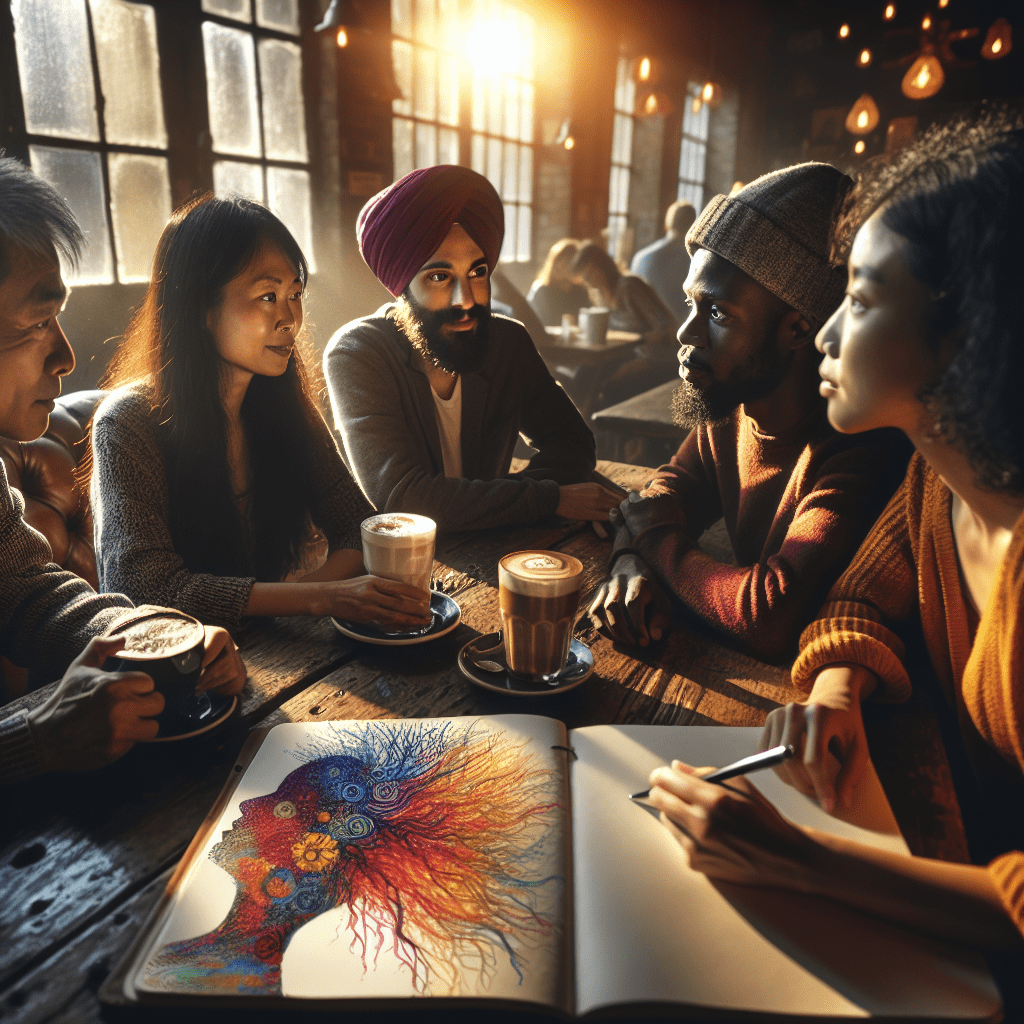
This phenomenon leads us to neurodiverse individuals’ remarkable creativity. Many people with dyslexia, for example, think in images rather than words, allowing them to visualize concepts in unique ways. This talent is especially advantageous in fields such as art, design, and advertising, where creativity and innovative thinking are essential.
Moreover, neurodiversity contributes to a diverse range of perspectives within teams. This diversity of thought can lead to more innovative solutions and comprehensive problem-solving strategies. When we ask, What are neurodiverse people good at?, the answer often includes thinking outside the conventional norms, which can greatly enhance workplace creativity and efficiency.
Empathy and Understanding: Strengthened Social Skills
Beyond professional skills, many neurodiverse individuals possess heightened emotional awareness and empathy. While it can vary from person to person, some neurodivergent people, particularly those on the autism spectrum, may experience emotions deeply, leading to profound insights into human interactions and complex social situations. These sensitivities can make them incredibly perceptive friends and collaborators, capable of understanding the unspoken nuances of social dynamics.
This unique empathetic understanding can be particularly useful in coaching, mentorship, or therapeutic roles. Neurodiverse individuals can relate to feelings often overlooked or misunderstood by others, making them great allies and supporters in personal or professional settings. In a role where advocacy for mental health and emotional well-being is crucial, the lived experiences of neurodiverse individuals often provide them with insights that conventional training may not fully encompass.
Additionally, neurodiverse individuals often have an immense capacity for passion and focus in areas of interest. Their hyper-focusing abilities can lead to expert-level knowledge in specific fields or hobbies. When they channel their energies into subjects they are passionate about, it can lead to groundbreaking discoveries or creative projects, and potentially the rise of new niches in cultural, social, or technological realms.
This aspect ties back to understanding and advocating for varied forms of intelligence. If we question, What are neurodiverse people good at?, we also uncover the critical distinction between traditional educational metrics and the reality of diverse learning and cognitive styles. Embracing and supporting such diversity can provide all of us with richer social and professional environments.
Creativity and Innovation: Thinking Outside the Box
Answering the query, What are neurodiverse people good at?, we’ve touched upon creativity and innovation, but let’s explore this topic in greater depth. It’s vital to understand how neurodiversity fosters an environment ripe for original thought. Neurodiverse individuals often approach challenges from unusual angles. This unique perspective can lead to innovative problem-solving techniques and groundbreaking ideas.
Take, for example, Steve Jobs. His journey as an innovator is frequently cited alongside a possible ADHD diagnosis that enabled him to think outside the conventional boundaries of technology. Such creativity serves as a beacon for understanding how neurodiverse individuals can shape industries, break molds, and inspire others.
Creative fields tend to find significant contributions from neurodiverse minds. Individuals with dyslexia, for instance, have created landmarks in fashion, film, and fine arts. They often leverage their visual strengths and unique ways of processing information to produce stunning work that resonates with people worldwide. In these fields, we see distinct designs and artistic expressions influenced by various sensations and perspectives, which might not emerge from conventional thinkers.
This capacity for divergent thinking is a hallmark of neurodiverse individuals and serves as a reminder that brilliance comes in many forms. Whether it’s through art, literature, software, or scientific research, the willingness to view situations through an untraditional lens can lead to solutions and innovations that are radically transformative.
The corporate world increasingly recognizes the importance of this creative edge. Companies that prioritize inclusion not only benefit from diverse problem-solving approaches but also unlock new markets and audiences. They foster an environment where all employees can thrive, building a culture that values creativity, innovation, and difference.
Advocacy and Support: Building a Culture of Inclusion
Lastly, answering What are neurodiverse people good at? leads us to consider their role in advocacy and support for neurodiversity. Many neurodiverse individuals harness their experiences to advocate for changes that benefit not only themselves but society as a whole. With their distinct insights into navigating systems that often exclude them, they can help transform these environments to be more inclusive.
Engagement in advocacy doesn’t just benefit the individuals but also educates the public. Educational campaigns led by neurodiverse advocates challenge misconceptions and prejudices, opening up dialogues that promote understanding and acceptance. By contributing their voices to discussions about diversity, inclusion, and acceptance, they help pave the way for future generations.
Moreover, support networks and communities of neurodiverse individuals offer empowerment and validation. By sharing their experiences and strategies for success, they encourage others to embrace their differences and thrive in their chosen paths. Through mentorship and sharing resources, neurodiverse advocates create a ripple effect that extends far and wide, inspiring not only neurodiverse individuals but everyone around them.
This advocacy ultimately creates a more inclusive and equitable society, where differences are celebrated rather than marginalized. It fosters environments where innovative thinking and emotional intelligence are sought after, breaking down barriers that have historically excluded many.
Conclusion
In conclusion, the inquiry into What are neurodiverse people good at? yields a wealth of insights. From exceptional creative skills to unique problem-solving abilities, neurodiverse individuals bring invaluable talents to the table. They enrich our workplaces, communities, and societies with their distinct perspectives and extraordinary abilities.
As we continue to embrace neurodiversity, it’s vital to recognize that supporting and valuing these diverse cognitive styles can lead to an inclusive culture. By championing the strengths of neurodiverse individuals, we unlock unparalleled opportunities for innovation, collaboration, and growth. Awareness, understanding, and acceptance of neurodiversity serve not just those who are neurodiverse but humanity at large. Let’s continue to celebrate these differences, recognizing that the strengths they embody contribute to a richer, more vibrant world.
FAQs
1. What skills do neurodiverse individuals often excel in?
Neurodiverse individuals often excel in creativity, attention to detail, innovative problem-solving, and emotional intelligence. Their different cognitive perspectives can lead to groundbreaking ideas in various fields.
2. How can workplaces benefit from neurodiversity?
Workplaces that embrace neurodiversity benefit from diverse problem-solving approaches, enhanced creativity, and a more innovative culture. Inclusion of neurodiverse talent can lead to improvements in efficiency and innovation.
3. What are some common misconceptions about neurodiversity?
Common misconceptions about neurodiversity include the belief that neurodiverse individuals lack social skills or can’t communicate effectively. In reality, many exhibit heightened emotional awareness and strong communication abilities in certain contexts.
4. Why is it important to advocate for neurodiverse individuals?
Advocating for neurodiverse individuals is crucial for promoting understanding, acceptance, and inclusivity in society. Their voices help challenge misconceptions and create a more equitable environment.
5. How can I support neurodiverse individuals in my community?
You can support neurodiverse individuals by promoting awareness, facilitating inclusive spaces, and advocating for policies that accommodate diverse cognitive styles. Encourage open dialogue to foster understanding and acceptance.
Is ADHD a Form of Autism? Understanding the Differences and Similarities