

What are some interesting facts about Neurodivergent people?
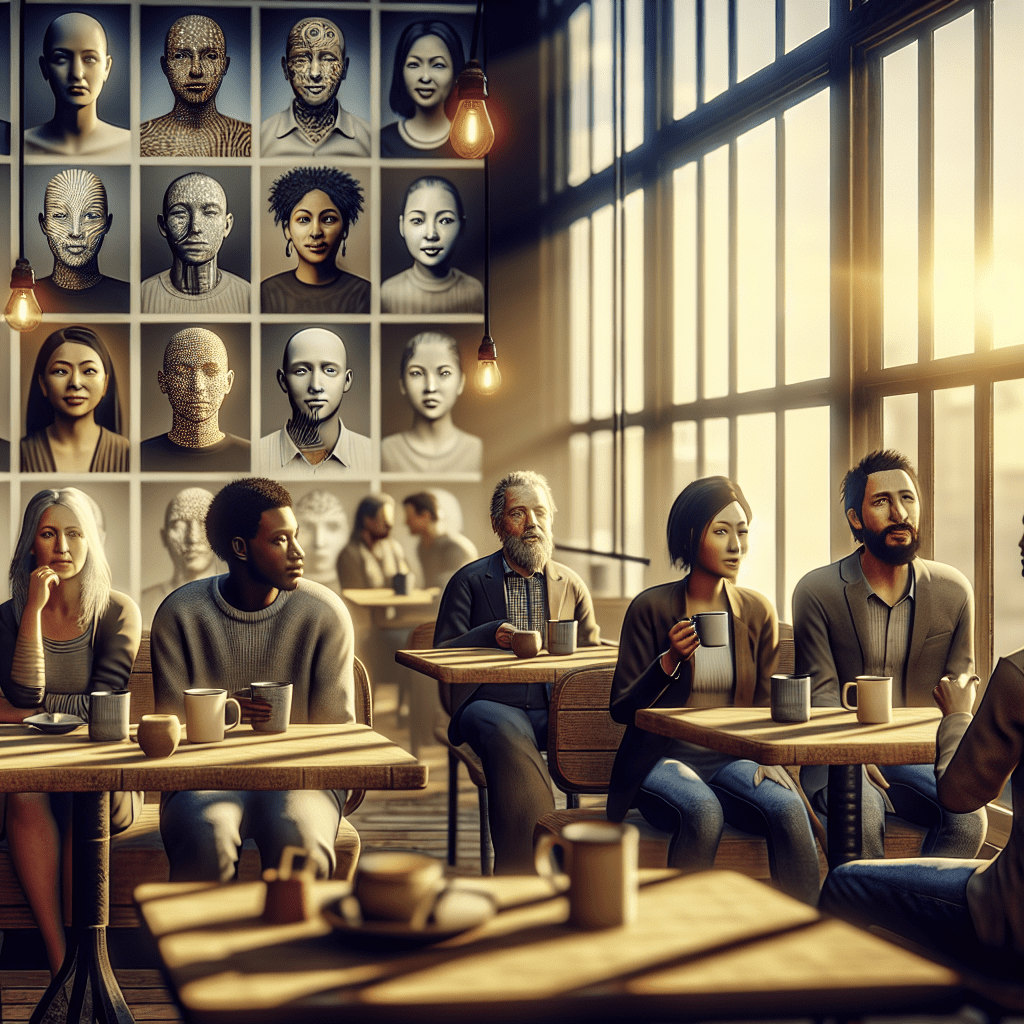
Neurodivergence represents a captivating spectrum of cognitive variations, showcasing the incredible diversity of human experience. When we ask ourselves, What are some interesting facts about Neurodivergent people?, we delve into a world often overlooked but filled with fascinating insights. Neurodivergent individuals include those with conditions such as autism, ADHD, dyslexia, and more. Each of these conditions results in unique strengths and challenges that contribute richly to our society. Understanding who neurodivergent people are and appreciating their peculiarities enables us to create more inclusive environments and foster stronger connections.
So what makes neurodivergent people so interesting? First, let’s start by appreciating the diverse ways in which their brains process information. Neurodivergence challenges the conventional ideas we have about what it means to be human, pushing the boundaries of creativity, problem-solving, and emotional understanding. By exploring the intriguing facets of neurodivergence, we not only empower individuals but enrich our communities.
Understanding Neurodivergence
The term neurodivergence encompasses a range of cognitive differences primarily viewed as variations rather than deficits. When we contemplate What are some interesting facts about Neurodivergent people?, we should first examine the types of conditions commonly labeled as neurodivergent. This includes conditions like autism spectrum disorder (ASD), attention-deficit hyperactivity disorder (ADHD), dyslexia, and Tourette syndrome.
One of the remarkable attributes of neurodivergent individuals is their ability to perceive the world differently. For instance, many autistic individuals possess heightened sensory awareness, allowing them to notice details that others might overlook. This could mean perceiving sound frequencies, nuances in color, or even subtle changes in people’s emotions. In a world that often standardizes experiences, this sensory richness can be a treasure trove for creativity and innovation.
ADHD, on the other hand, may come with challenges in attention regulation, but it’s also associated with heightened creativity and hyper-focus. Some individuals with ADHD channel their restless energy into passionate pursuits, leading them to excel in creative fields that require thinking outside the box. Neurodivergent characteristics can take forms that, while seemingly challenging, can fuel extraordinary achievements and contribute to innovation.
Next, let’s explore how neurodivergence influences cognitive processing and social relationships. For neurodivergent individuals, engaging with the world may come with a unique set of rules. They might interpret social cues differently or require additional time to process information. These variations can make communication challenging yet can also lead to awe-inspiring insights when given space and understanding. Let’s dive deeper into how these differences manifest in everyday scenarios.
The Unique Strengths of Neurodivergent Individuals
Considering What are some interesting facts about Neurodivergent people?, it is vital to acknowledge that these individuals often possess extraordinary strengths alongside their challenges. They might demonstrate abilities that are particularly unique and valuable in various contexts, from arts and sciences to technology and education.
For example, many people on the autism spectrum exhibit profound attention to detail. This skill frequently leads to high levels of accuracy and success in fields such as mathematics, accounting, and coding. Their capacity for intense focus allows them to dive deep into specialized areas of interest, facilitating regional expertise that can lead to groundbreaking research or innovative technologies.
Moreover, dyslexia, often framed in a deficit model, can foster remarkable visual thinking and creativity. Many dyslexic individuals find their strengths in problem-solving, lateral thinking, and out-of-the-box approaches. These characteristics make them ideal candidates for roles in creative industries such as advertising, design, and the arts, where unconventional thinking can flourish and lead to novel solutions.
Also noteworthy is the tenacity that often develops among neurodivergent individuals. Navigating a world that sometimes does not accommodate their differences can foster resilience, determination, and a strong sense of self-advocacy. As society gradually shifts to embrace neurodiversity as a norm rather than an exception, the stories of neurodivergent individuals reflect hope and inspiration for many. Conversely, their pathways remind us that embracing differences enriches our collective human experience.
Challenges Faced by Neurodivergent Individuals
Diving further into What are some interesting facts about Neurodivergent people?, we must also consider the confrontations neurodivergent individuals navigate. While their strengths are significant, they don’t overshadow the fact that many encounter societal stigma, miscommunication, and emotional fatigue due to a lack of understanding.
For instance, countless autistic individuals grapple with difficulties in social communication, frequently leading to feelings of anxiety, exclusion, and isolation. The neurotypical world’s expectations can feel overwhelming, particularly when social norms are rooted in unspoken rules that might not resonate with neurodivergent experiences. Consequently, many might prefer solitude over navigating complex social landscapes.
Similarly, those with ADHD may wrestle with impulsivity or inattentiveness that can create barriers in academic performance or daily functioning. When individuals struggle to remain engaged in conventional settings such as classrooms or meetings, they may face harsh judgment from peers or superiors. Understandably, this judgment can lead to low self-esteem and can perpetuate a cycle of feeling ‘different’ in a world that champions conformity.
Moreover, the educational and workplace systems have often been slow to adapt to neurodivergent needs, resulting in environments that can stifle potential. Inclusive practices, flexible work settings, and nurturing educational environments are essential for unlocking the creativity and talents of neurodivergent individuals. As communities progress toward inclusivity, they not only enhance the lives of neurodivergent people but also attract immense contributions to their own societal fabric.
The Importance of Acceptance and Support
When pondering What are some interesting facts about Neurodivergent people?, it’s paramount to recognize that acceptance and support can lead to transformative change. Acknowledging that neurodivergent individuals possess unique skills and perspectives lays the foundation for a more compassionate world.
Advocacy plays a crucial role in this journey, as community leaders, educators, and allies rally to create spaces where neurodivergent individuals can thrive. Anti-bullying campaigns in schools, peer mentoring programs, and robust educational support systems all contribute to a narrative shift—one that celebrates differences rather than fears them.
Furthermore, workplaces that prioritize diversity enhance innovation by embracing various thought processes. For instance, many leading tech firms actively pursue neurodiversity hiring initiatives, understanding that a range of perspectives can lead to breakthrough ideas. By fostering an inclusive culture that values diverse cognitive styles, businesses can thrive and grow exponentially through the contributions of neurodivergent talent.
Support from family and friends is equally critical in bolstering the self-esteem and confidence of neurodivergent individuals. Embracing understanding, patience, and, most importantly, celebration of their differences can significantly elevate their life experiences, turning challenges into triumphs.
Conclusion
In conclusion, when reflecting on What are some interesting facts about Neurodivergent people?, it becomes clear that neurodivergent individuals enrich our society with their unique talents, views, and insights. They encourage us to reconsider our understanding of intelligence, creativity, and interpersonal communication. Rather than focusing simply on what challenges neurodivergent people face, it’s crucial to celebrate their strengths and advocate for supportive environments that allow them to excel.
By fostering inclusivity, understanding, and celebrating our differences, we cultivate diverse communities that welcome creativity, imagination, and forward-thinking solutions. It’s a fascinating journey to witness the incredible contributions of neurodivergent individuals paving the way for future generations. Eventually, this newfound understanding creates a tapestry that weaves together diverse lived experiences, ensuring the flourishing of everyone within our society—where everyone is recognized, accepted, and empowered.
FAQs
1. What does neurodivergent mean?
Neurodivergent refers to individuals whose neurological development and functioning are atypical. This includes conditions like autism, ADHD, dyslexia, and others.
2. How can I support neurodivergent individuals?
Support can come in various forms, such as being openly communicative, educating yourself about neurodiversity, and advocating for inclusive environments.
3. Are there positive aspects of being neurodivergent?
Absolutely! Many neurodivergent individuals have unique strengths such as creativity, attention to detail, and specialized talents that can contribute significantly to various fields.
4. What challenges do neurodivergent people face?
Challenges may include difficulties in social communication, stigma, underrepresentation in workplaces and schools, and barriers in accessing necessary support.
5. How is society changing in terms of neurodiversity?
Society is gradually embracing neurodiversity, promoting advocacy, inclusivity, and creating supportive environments where neurodivergent individuals can thrive.
What does a typical ABA session look like?
How Does a Child with Autism Behave? Understanding Autism Spectrum Disorder