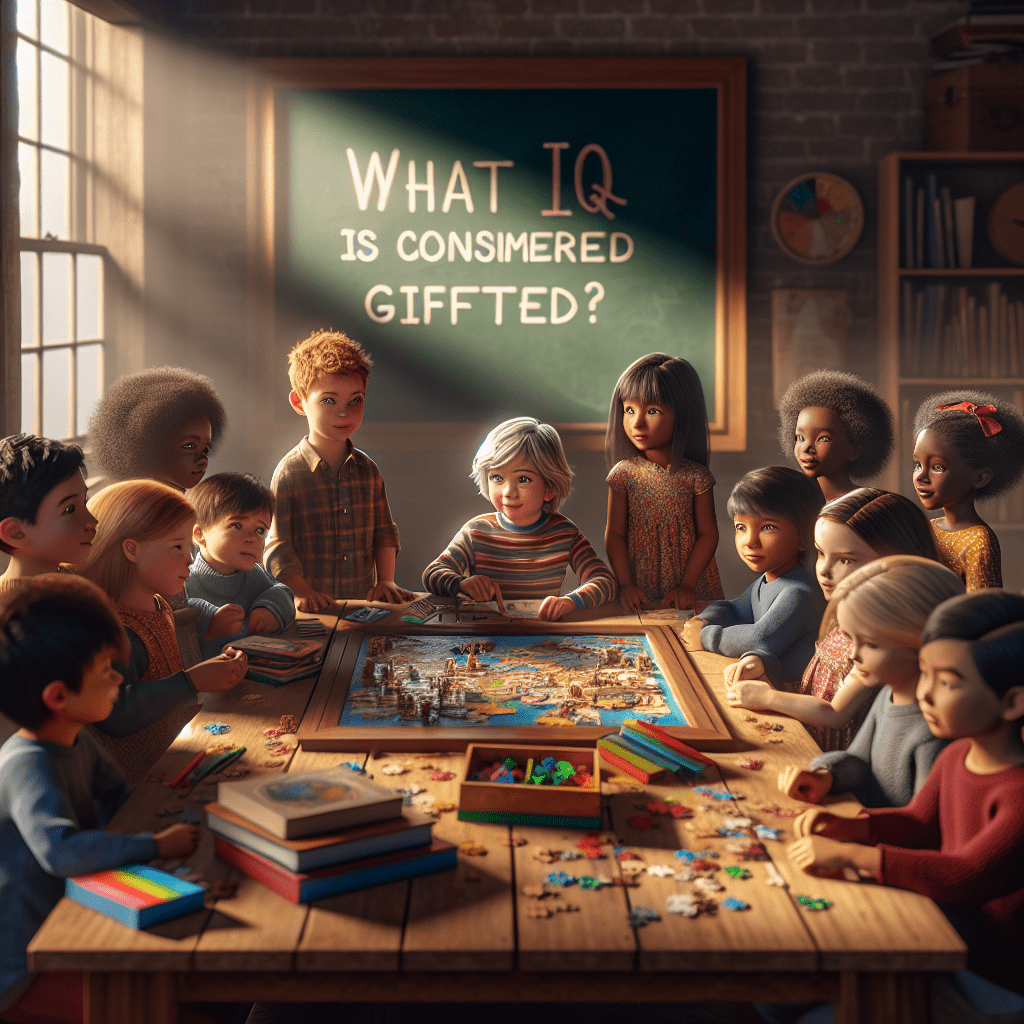

What IQ is considered gifted?
What IQ is considered gifted? This question often arises among parents, educators, and psychologists alike, as understanding the concept of giftedness plays a significant role in tailoring educational programs and identifying potential in individuals from a young age. Giftedness, often defined by a child’s cognitive abilities and creativity, can be quantitatively assessed through intelligence quotient (IQ) tests. However, the term ‘gifted’ can sometimes be subjective and varies based on how different educational systems and experts interpret it.
IQ tests have long been a standard method of measuring intelligence, and while many factors contribute to the concept of giftedness, an IQ score is a considerable indicator. Generally, an IQ of 130 or above is often regarded as an indicator of giftedness, placing the individual in the top 2% of the population. However, giftedness is not just a number; it involves creativity, curiosity, and emotional intelligence. Understanding what IQ is considered gifted? can help in identifying those with exceptional capabilities and guide the appropriate educational approaches for them.
Understanding the IQ Scale
To address the question, “What IQ is considered gifted?” it’s essential first to understand the IQ scale. The most common IQ tests, like the Wechsler and Stanford-Binet tests, have the average IQ set at 100. The scores are usually distributed in a bell curve, with most people falling between 85 and 115. Here’s a quick breakdown of common IQ score ranges:
- Below 70: This range often indicates intellectual disability.
- 70-84: Considered below average.
- 85-115: Average intelligence.
- 116-129: Above average but not yet considered gifted.
- 130 and above: Generally considered gifted, with scores often placing an individual in the top 2% of intelligence.
- 145 and above: Highly gifted individuals, often referred to as ‘profoundly gifted’.
With this scale in mind, any IQ score from 130 upwards is typically recognized as a benchmark for giftedness. However, some argue that a slightly lower threshold, around 120, can also indicate giftedness, especially if combined with exceptional creativity or talent in specific areas such as music, art, or mathematics.
Keep in mind that while IQ scores offer a valuable insight into a person’s cognitive capabilities, they do not encompass all aspects of a person’s abilities. For instance, emotional intelligence, creativity, and practical problem-solving are also critical components of a gifted individual’s profile. Furthermore, cultural biases in some IQ tests may skew results, making it indispensable for educators to consider multiple factors when identifying gifted children.
Characteristics of Gifted Individuals
Gifted individuals often possess distinct characteristics that set them apart from their peers. So, which traits should you look for besides that all-important IQ score? Here are some common elements:
Not only do IQ tests measure cognitive intelligence, but giftedness manifests in various ways. Let’s consider some key characteristics:
- Advanced Problem Solving: Gifted individuals often excel in problem-solving and can think critically, analyzing various angles of a situation or challenge. They tend to understand complex concepts much quicker than their peers, sometimes requiring less time to learn new information.
- Intense Curiosity: Gifted children crave knowledge. They are often eager to explore new subjects, constantly asking questions about the world around them. This inquisitive nature fuels their passion for learning and can lead them to explore topics in great depth.
- Creativity: Many gifted individuals demonstrate high levels of creativity, showcasing their unique thinking styles and approaches to problem-solving and expressing themselves artistically. In addition to solving complex problems, they often think outside the box and approach situations from novel perspectives.
- Emotional Depth: Gifted individuals are often highly sensitive and empathetic, showcasing maturity beyond their years. They may feel strongly about societal issues, displaying a desire to help others and provocation in their writing and interactions.
- Perfectionism: While striving for high standards can lead to success, perfectionism can also hinder gifted kids’ emotional well-being. They may experience frustration when their standards are not met or become anxious under pressure.
These traits highlight the multi-dimensional aspects of giftedness. Simply possessing a high IQ does not automatically qualify someone as gifted. Teachers, parents, and specialists should consider a blend of cognitive and non-cognitive characteristics when nurturing talented individuals.
The Role of Environment in Giftedness
It’s crucial to remember that while IQ can be seen as a predisposition for giftedness, the environment also plays a pivotal role in developing and nurturing those abilities. Various factors can influence the manifestation of talent and potential and can affect the trajectory of a gifted individual’s development. Consider the following aspects:
- Supportive Family and Community: Families that encourage exploration, creativity, and valuing education create an environment where gifted children can thrive. Parental engagement and access to community resources such as clubs, classes, and mentorship programs can vastly enhance a child’s potential.
- Access to Enriching Experiences: Experiences such as travel, museums, or exposure to diverse cultures can nurture creativity and critical thinking skills. Enrichment programs in schools, including accelerated classes, can provide gifted children with the challenges they need.
- Quality of Education: Not all schools offer the same level of resources for gifted children. Finding a school with a gifted program or a curriculum catering to advanced learners can make a significant difference in how these children realize their potential.
- Peer Relationships: Gifted individuals often find it challenging to connect with peers, leading to feelings of isolation. Interacting with like-minded individuals who share similar interests and intellectual capabilities can support gifted children in developing social skills.
In summary, even if a child falls under the gifted IQ range, they may not reach their full potential without the right support and resources in their environment. Families and educational institutions play a vital role in fostering these individuals, nurturing their talents, and adequately meeting their emotional and intellectual needs.
Gifted Programs and Support
Once you decipher “What IQ is considered gifted?” and have identified a gifted child, the next crucial step is to explore educational programs tailored to meet their unique learning styles. Gifted programs can provide supportive environments where children can flourish and gain access to further educational opportunities. Here are some common types of gifted programs:
- Acceleration: This method involves placing gifted students in higher-grade classes or advanced courses to match their academic capabilities. Acceleration allows them to work at a pace aligned with their skills, avoiding the frustration of boredom.
- Differentiation: Teachers may alter their teaching methods by adjusting the complexity or depth of content to cater to gifted learners. Through differentiation, gifted students are encouraged to pursue topics that interest them at varying levels of complexity.
- Enrichment Programs: These programs are designed to supplement standard curricula with activities or subjects that foster creativity, critical thinking, and problem-solving skills. They offer opportunities for collaboration, ensuring gifted students can learn and grow without the confines of traditional classroom settings.
- Mentorship Initiatives: Pairing gifted students with mentors in their areas of interest can provide targeted support and guidance. Mentorship fosters meaningful relationships and insight into real-world applications of their talents.
Parents should actively engage with schools and educators to understand available resources or programs that suit their children’s needs. Finding the right program or support can significantly impact a gifted child’s trajectory, helping them tap into their potential and navigate the complexities of their giftedness.
The Importance of Holistic Development
As we explore “What IQ is considered gifted?,” it’s critical to remember that identifying giftedness shouldn’t solely hinge on IQ scores or academic achievements. Holistic development is key, which means nurturing emotional, social, and ethical dimensions alongside intellectual growth. Here are why these aspects matter:
- Emotional Intelligence: Gifted individuals can experience heightened emotions, which, if not appropriately managed, may lead to stress or burnout. Fostering emotional intelligence allows them to understand and cope with their feelings, leading to healthier mental well-being.
- Social Skills: Connecting with peers can be exceptionally challenging for gifted children. Social skills training or creating opportunities for healthy peer interactions is essential to help them form friendships and feel less isolated.
- Ethics and Responsibility: Gifted individuals may grapple with ethical dilemmas and the impact of their decisions. Encouraging discussions around moral responsibility can guide them in making thoughtful choices.
The ultimate goal is not merely to identify potential through an IQ score but to nurture well-rounded individuals who can contribute positively to society, equipped with emotional resilience and social capabilities. In so doing, we help gifted individuals grow into leaders and innovators of tomorrow.
Conclusion
In exploring “What IQ is considered gifted?,” we’ve uncovered that while an IQ score of 130 or higher is often a benchmark, true giftedness encompasses various traits and abilities. Understanding the complexity of giftedness—beyond just numbers—enables educators, parents, and mental health professionals to support individuals in realizing their full potential. By providing the right resources, encouragement, and environment, we pave the way for gifted individuals to navigate challenges while cultivating their unique abilities. It’s a multifaceted journey that should be celebrated, recognized, and supported.
FAQs
1. Can a child be gifted with a lower IQ score?
Yes, a child can display gifted characteristics or talents even with an IQ below the typical gifted threshold. Creativity, emotional intelligence, and unique skills can signify giftedness.
2. How can I support my gifted child at home?
Encourage curiosity through conversations, foster creativity with art or music, and provide enrichment resources that align with their interests. Engage them in activities that challenge them and support their emotional development.
3. Are IQ tests reliable for identifying giftedness?
While IQ tests are widely used for measuring cognitive abilities, they should not be the sole indicator of giftedness. Cultural biases and different types of intelligence are significant considerations, warranting a holistic approach when identifying gifted individuals.
4. At what age can giftedness be identified?
Giftedness can often be recognized in early childhood, with signs of advanced problem-solving, creative thinking, and intense curiosity. However, formal assessments typically begin around age 5 or 6.
5. Is giftedness the same as talent?
No, giftedness refers to a broader range of intellectual capacities, while talent reflects proficiency in a specific area such as sports, art, or music. A gifted individual may not necessarily excel in a singular talent.
What are the 4 basic behavioral types?
Is ADHD a Form of Autism? Understanding the Differences and Similarities