

Are gifted people neurodiverse?
Explore the complexity of giftedness and neurodiversity. Are gifted people neurodiverse? Discover insights and perspectives in this engaging article.
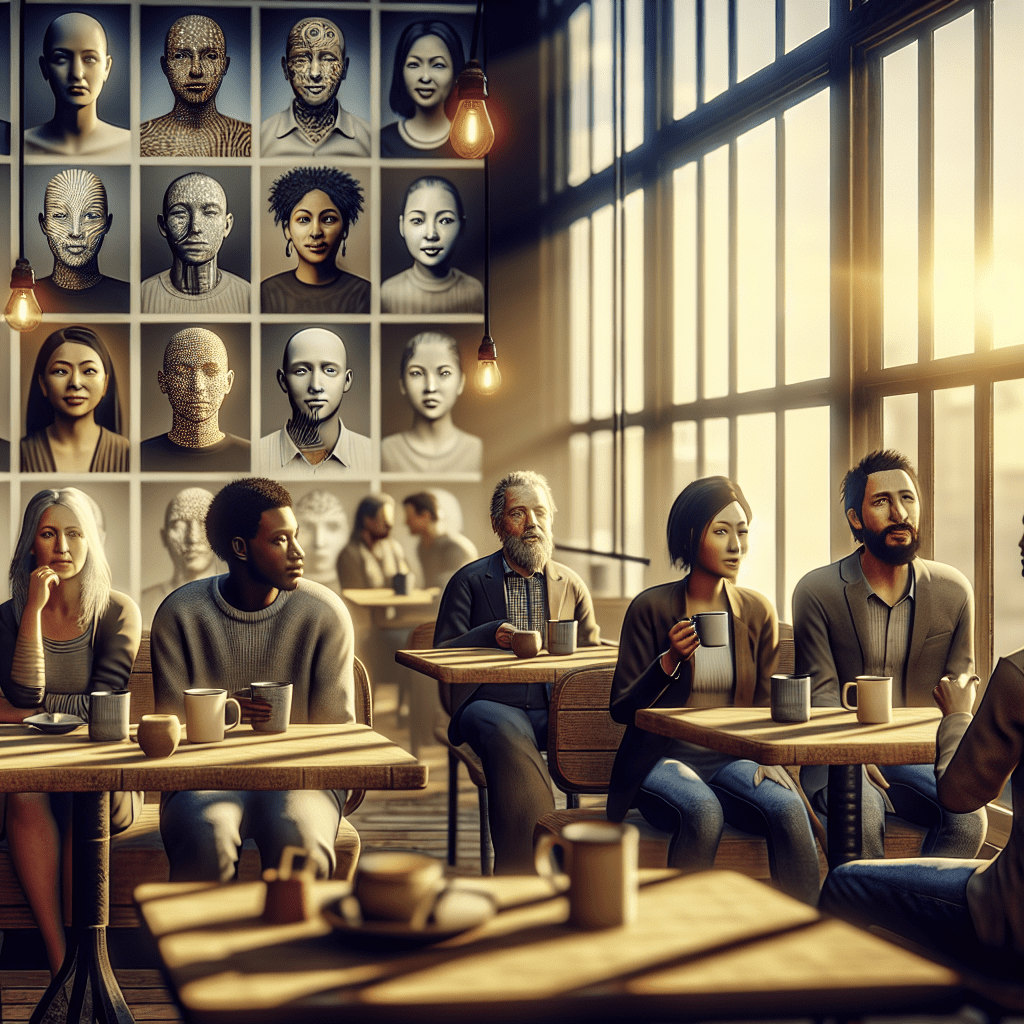
When we use the terms “gifted” and “neurodiverse,” we often have specific images in our minds. Gifted individuals are those with exceptional abilities, perhaps in academics, music, or art. Neurodiversity, on the other hand, refers to the natural variation in human brain function concerning cognition, learning, and communication. But what happens when we put these two concepts together? Are gifted people neurodiverse? This question opens a Pandora’s box of discussions about labels, education, and acceptance.
Understanding Giftedness
Giftedness is often defined by a combination of high intelligence and exceptional talent in one or more areas. It is not merely an academic label or a badge one wears; it encompasses a wide range of abilities and a unique way of interacting with the world. Gifted individuals may excel in areas such as math, literature, or the arts, but they might also think and perceive the world differently compared to their peers. This uncommon perspective can be a gift, but it can also present challenges.
When considering whether gifted individuals fall within the category of neurodiversity, we should acknowledge that, like neurodiverse individuals, they can experience heightened sensitivities and diversely wired brains. Neurodiversity encompasses a variety of conditions, including Autism Spectrum Disorder (ASD), Attention Deficit Hyperactivity Disorder (ADHD), dyslexia, and more. Each of these conditions reflects a different way of processing information and emotional stimuli. In contrast, gifted individuals often possess asynchronous development, which means their cognitive abilities may far exceed their emotional or social skills. This disparity can lead to feelings of isolation or frustration, much like those experienced by individuals within the neurodiverse community.
Giftedness can be viewed through the lens of neurodiversity if we consider how gifted individuals might think and process information differently than their neurotypical counterparts. The gifted brain can exhibit unique traits like heightened perception, superior memory, and exceptional creativity, making them stand out even among their peers. In essence, one could argue that the way gifted individuals learn and operate could align them within the neurodiverse spectrum.
The Intersection of Giftedness and Neurodiversity
Are gifted people neurodiverse? To answer this, we must first explore what neurodiversity entails. Neurodiversity goes beyond just acknowledging these differences; it embraces various ways of thinking and learning. This movement advocates for the understanding and acceptance of different cognitive processes and the idea that neurodiverse individuals, including those who are gifted, bring unique contributions to society.
a comprehensive study indicates that many gifted individuals also identify as neurodiverse, particularly those with conditions like ADHD or ASD. These individuals often express their giftedness through unique lenses, resulting in extraordinary innovation and creativity. Therefore, we can observe that exceptional talent in gifted individuals frequently goes hand-in-hand with neurodiverse traits.
Something crucial to understand is how traditional educational systems can sometimes hinder gifted individuals from developing their potential fully. Many gifted individuals endure a misalignment in the educational approach, where a standard educational style does not nurture their interests. Such restrictions highlight a fundamental conflict between the traditional education model and the needs of gifted, potentially neurodiverse learners. For example, an ADHD gifted student may find that traditional education stifles their creativity, while simultaneously trying to cope with the distractions that ADHD presents.
The environment is pivotal in nurturing the talents of gifted individuals. When gifted individuals find themselves in supportive environments—those that embrace their unique ways of learning—they thrive. Educators and families can play a pivotal role in identifying neurodiverse patterns and creating systems that foster a love for learning instead of stressing uniformity.
Struggles and Strengths of Gifted Neurodiverse Individuals
There is a complex relationship between being gifted and being neurodiverse; each condition often brings with it unique challenges. As we delve deeper into the question, “Are gifted people neurodiverse?” it is essential to recognize both the struggles and strengths they possess.
Gifted neurodiverse individuals often grapple with social interactions, which can create emotional stress. While they may excel in particular areas, the emotional aspects of connecting with others can be challenging. A gifted child with autism may possess remarkable mathematical abilities but find themselves struggling with the social conventions of education or group activities. The result can be a sense of alienation that can lead to deeper issues such as anxiety or depression.
On the flip side, these very challenges can also lead to incredible strengths. The hyper-focus characteristic of ADHD, for example, allows gifted individuals to dive deeply into subjects they are passionate about, often leading to achievements that range from groundbreaking artwork to cutting-edge scientific research. Thus, while there are marked challenges, there is equally a wealth of potential waiting to flourish.
Gifted neurodiverse individuals often exhibit profound creativity and unique problem-solving skills, and this is primarily due to how their brains are wired. Encouragingly, whether we define them as gifted, neurodiverse, or both, we recognize that their combined perspectives contribute richly to our collective understanding of various disciplines. Establishing supportive networks and fostering inclusive environments can help these individuals thrive.
Nurturing Gifted Neurodiverse Individuals
Now that we’ve explored whether gifted individuals can be considered neurodiverse, it’s essential to consider how we can nurture these talented individuals positively. Are gifted people neurodiverse in terms of their capability to learn and grow? Definitely. This recognition places educational systems at a crucial junction for development and personal growth.
The education sector needs to adapt and embrace the unique needs of both gifted and neurodiverse students. Customized education plans should be developed to accommodate individual learning styles. The focus shouldn’t solely be on standardized testing but rather on fostering a love for learning that encourages exploration and creativity.
Teachers can serve as champions for gifted neurodiverse students by adopting diverse teaching methods tailored to suit different learning styles. This could include project-based learning, allowing students to explore topics they are passionate about or using technology to create a more engaging learning environment. The goal must be to catalyze their natural inquisitiveness rather than restrict it.
Furthermore, increasing awareness about the traits of giftedness and neurodiversity among parents, educators, and society at large enables a more profound appreciation of these remarkable individuals. Events, workshops, and community conversations can help foster a more inclusive environment, inviting diverse perspectives while advocating for gifted neurodiverse individuals.
Conclusion
In conclusion, the relationship between giftedness and neurodiversity is complex and multilayered. Exploring whether gifted people are neurodiverse reveals the intricacies and overlapping characteristics that exist within both concepts. Gifted individuals often possess cognitive processes and social habits that align them with the neurodiverse community, manifesting in both challenges and strengths.
Recognizing the diversity in perspectives not only enhances our understanding of giftedness but also highlights the importance of creating supportive and inclusive environments. By nurturing gift, we embrace extraordinary capabilities and enrich our societal fabric. Moreover, it opens the doors for more synergetic approaches in various fields, improving policy making and educational frameworks to serve the multifaceted needs of these talented individuals.
So, the next time we ask, “Are gifted people neurodiverse?” let’s remember that the answer may not be straightforward. Still, it invites us into a broader investigation of how we define talent, learning, and human experience.
FAQs
1. Are all gifted individuals considered neurodiverse?
No, while many gifted individuals may exhibit traits associated with neurodiversity, it is not a universal truth. Giftedness and neurodiversity are separate constructs, though there is overlap.
2. How can parents support gifted neurodiverse children?
Parents can support their gifted neurodiverse children by advocating for tailored education plans, fostering open communication, and creating a nurturing home environment that values individual learning styles.
3. What role does school play in nurturing gifted neurodiverse students?
Schools can play a vital role by implementing personalized learning plans, being mindful of diverse learning needs, and promoting a culture of acceptance and creativity within classrooms.
4. What characteristics might indicate a child is both gifted and neurodiverse?
Common indicators may include high intelligence in a particular area, creative problem-solving, heightened sensory sensitivities, and challenges in social interactions.
5. How can society benefit from embracing gifted neurodiverse individuals?
By embracing gifted neurodiverse individuals, society may leverage unique perspectives and innovations, ultimately enhancing creativity, problem-solving, and cultural contributions across various fields.
What is a basic aba technique?