
Can you self identify as Neurodiverse?
Can you self identify as Neurodiverse? It’s a question that has gained increasing relevance as society becomes more aware of and sensitive to the spectrum of neurological differences. Neurodiversity is a term that encompasses a variety of cognitive variations such as autism, ADHD, dyslexia, and others. In this article, we’ll dive deep into the concept of neurodiversity, the implications of self-identification, and what it means to be neurodiverse in today’s world. Whether you are questioning your own neurodivergent identity or simply curious about the subject, you’ll find valuable insights here.
Understanding Neurodiversity
The term neurodiversity was coined in the late 1990s, changing the way we consider conditions like autism, ADHD, and dyslexia. Historically, these conditions were viewed through a medical lens, focusing on deficits and disorders. However, neurodiversity offers a different perspective. It acknowledges that variations in brain function are natural and should be recognized and celebrated rather than pathologized.
This paradigm shift has empowered many individuals to explore their own identities. But can you self identify as neurodiverse? The answer is yes, and understanding how and why is essential.
Self-identification involves recognizing your unique neurological wiring. However, it is crucial to approach this process with care. Those who identify as neurodivergent often report feelings of belonging and community. They also express a sense of liberation when they embrace their true selves. This self-recognition can lead to greater self-acceptance and understanding.
Moreover, identifying as neurodiverse isn’t limited to those who have received a clinical diagnosis. Many people feel a sense of identification with the traits associated with these conditions without having a formal label. This recognition can stem from personal experiences, family histories, or a simple understanding of oneself in relation to the world.
The key is awareness; understanding that neurodiversity exists is the first step to self-identifying. It’s about recognizing the unique strengths that come with neurodivergent traits. For example, many neurodiverse individuals excel in creative thinking, hyper-focus, and problem-solving. Thus, self-identification can be a powerful tool for harnessing these strengths and advocating for your needs in various contexts, whether at work or in personal relationships.
The Psychological Aspects of Self-Identification
Self-identification is more than just a label; it’s a multidimensional psychological experience. Can you self identify as Neurodiverse? The answer involves introspection and self-acceptance. Many individuals embark on this journey after spending years feeling out of sync with societal norms. This dissonance can often lead to anxiety or depression. Identifying as neurodiverse can alleviate some of these burdens by fostering a sense of belonging and understanding.
One common understanding is that self-identification is not about seeking validation from others. Rather, it’s about coming to terms with who you are without external pressures. Many neurodivergent individuals face societal stigma, leading them to conceal their identities. Self-identification can be empowering; it allows one to reject harmful stereotypes and instead embrace their uniqueness.
Moreover, neurodiversity advocates emphasize the importance of self-advocacy. Being able to articulate your individual needs is essential, especially in environments where neurotypical standards dominate. This often involves communicating your learning style, sensory preferences, or social comfort zones. By self-identifying as neurodiverse, you gain the language and confidence to express these needs.
However, it’s important to understand that self-identification can be a double-edged sword. Some individuals may struggle with impostor syndrome or feel unworthy of the neurodivergent label, fearing that they don’t fit the “typical” mold of a person with a specific condition. This fear can lead to hesitation in embracing one’s identity fully. To combat this, communities are being built that resonate with shared experiences, creating safe spaces where individuals can openly discuss their thoughts and feelings.
Community and Identity in Neurodiversity
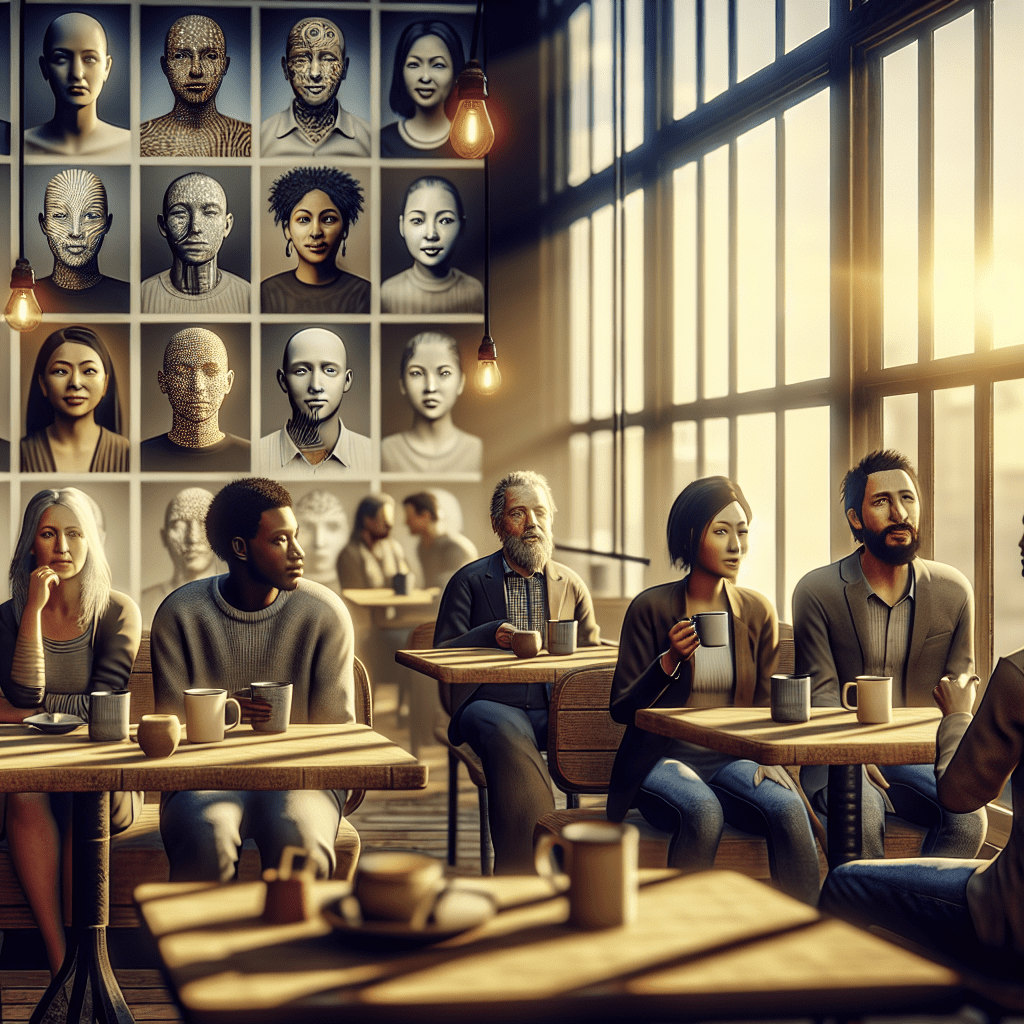
So if you’re asking, can you self identify as Neurodiverse? The answer is often rooted in community experiences. Many individuals derive their understanding of neurodiversity from interacting with others who share similar traits. The internet, in particular, has been a game-changer for those seeking connection. Online forums, social media groups, and blogs dedicated to neurodiversity provide platforms where people can share their experiences openly.
These communities contribute to the collective understanding of neurodiversity. You’ll often find people sharing tips on how to navigate various life challenges, whether in education, the workplace, or relationships. This exchange of information can be incredibly validating. It reinforces the idea that you are not alone and that your struggles and strengths are part of a broader human experience.
Moreover, community discussions often revolve around advocacy. Groups are forming not only to celebrate neurodivergent identities but also to fight for rights and accommodations. This advocacy is crucial; it can transform workplace policies, educational systems, and even healthcare practices. When individuals unite under a shared identity, they can effect change more effectively than they could alone.
Additionally, some individuals find empowerment in shared languages or terms unique to their community, which can make self-identification feel more legitimate. This newfound lexicon can include phrases like “sensory overload” or references to “executive function,” which help articulate common experiences. For many people, participating in these conversations is a pivotal moment in their self-identification journey.
In essence, identifying as neurodiverse often comes with a sense of community and solidarity. When you’re part of a group that understands your unique perspective, self-acceptance becomes easier, and the journey of identifying as neurodiverse transforms into a path of empowerment.
Challenges of Self-Identification
<pWhile self-identifying as neurodiverse can be a positive experience for many, it is not without its challenges. There are social pressures and internal conflicts that can complicate the journey. Individuals grappling with their neurodiversity may find themselves swimming against the current of societal expectations. Many cultures still cling to a narrow definition of what it means to be “normal,” which can leave little room for neurodiverse individuals to feel accepted or understood.
Stigma is another hurdle that can come into play. People who choose to self-identify as neurodiverse may encounter skepticism or prejudice from others. Questions like, “Are you sure you’re not just making excuses?” can be disheartening. This skepticism can make it difficult for individuals to own their identities fully. The reality is that neurodiversity cannot be measured easily; it’s a nuanced spectrum that varies from person to person.
Furthermore, self-doubt can creep in, complicating the self-identification process even further. Many people who consider themselves neurodiverse may question whether they truly belong in that community. They may feel the weight of not having a clinical diagnosis and wonder if they are somehow “faking” their experiences. This internal conflict can prevent individuals from seeking out support and connection that could otherwise enhance their understanding of themselves.
To navigate these challenges, education and awareness are essential. Organizing workshops, panel discussions, and awareness campaigns can help dispel myths surrounding neurodiversity. Schools and workplaces can also play a role by fostering inclusive environments where neurodivergent individuals can share their experiences. When those around us are informed, the stigma diminishes, making it easier for individuals to embrace their identity.
Ultimately, each person’s journey in self-identifying as neurodiverse is unique, filled with its struggles and successes. Support, understanding, and continual engagement with the community can foster an environment where individuals feel empowered to embrace their neurodivergence without apprehension.
Conclusion
So, can you self identify as Neurodiverse? Absolutely! Self-identification is a deeply personal journey that can lead to greater understanding, acceptance, and empowerment. Recognizing and embracing neurodiversity is not just about accepting oneself; it’s about challenging societal norms and redefining what it means to thrive in a neurotypical world.
As you consider your own identity, remember: you are not alone in navigating this journey. Building connections within the neurodiverse community can provide invaluable insights and affirmations. Advocacy and support can further your quest for self-acceptance, creating empowering pathways that allow you to express who you truly are.
You are deserving of love, support, and understanding as you embrace every facet of your neurodiversity. So, go ahead, take that leap. Reflect, explore, and above all, own your identity in whatever way feels right for you.
FAQs
1. What does it mean to be neurodiverse?
Being neurodiverse means having a brain that functions or processes information differently from what is considered typical. This includes conditions like autism, ADHD, dyslexia, and more.
2. Is a diagnosis necessary for self-identification?
No, a formal diagnosis is not necessary to identify as neurodiverse. Many people recognize themselves in the characteristics associated with neurodivergent conditions.
3. How can I find a community to connect with?
Look for online forums, social media groups, or local meet-ups focused on neurodiversity. These can provide support and understanding from others with shared experiences.
4. What are some common challenges faced by neurodiverse individuals?
Common challenges include navigating societal expectations, dealing with stigma, and managing mental health concerns such as anxiety or depression due to feeling out of place.
5. How can society support neurodiverse individuals better?
Education and awareness are crucial. Building inclusive schools and workplaces, along with advocating for better policies, can significantly enhance support for neurodiverse individuals.
What is a typical day in ABA therapy?