
How do you unmask a Neurodivergent person?
Discover ways to unmask a Neurodivergent person. Learn empathetic strategies to support them better and promote understanding.
Unmasking a Neurodivergent person isn’t about stripping away an identity but rather discovering the authentic self that might be hidden beneath the expectations of society. Neurodivergence encompasses a range of conditions and experiences, including autism, ADHD, dyslexia, and more. These individuals often develop coping mechanisms, or ‘masks’, to navigate environments that may feel overwhelming or hostile. This article will explore what it means to unmask, why it’s important for the well-being of neurodivergent individuals, and practical steps we can take to facilitate this process.
Understanding Neurodiversity and Masking
Before diving into how do you unmask a Neurodivergent person, it’s essential to understand the concepts of neurodiversity and masking. Neurodiversity is the idea that neurological differences like autism and ADHD are variations of human experience rather than deficits. This perspective promotes acceptance and understanding, challenging traditional views of ‘normal’ neurological functioning.
Masking, on the other hand, refers to the strategies neurodivergent individuals develop to blend in with societal standards. It can include mimicking social cues, suppressing stimming behaviors (repetitive movements or sounds), and conforming to expected ways of communication. While masking can help individuals navigate social situations, it often comes at a significant emotional cost. Chronic masking can lead to exhaustion, anxiety, depression, and a deep sense of disconnection from oneself.
Now, you might wonder why someone would want to unmask. The benefits are numerous. Unmasking allows neurodivergent individuals to embrace their authentic selves, leading to enhanced mental health, stronger relationships, and a sense of belonging. Unmasking also contributes to raising awareness about the complexities of neurodiversity and challenging societal norms.
Steps to Unmasking: How Do You Unmask a Neurodivergent Person?
So, how do you unmask a Neurodivergent person? It starts with fostering an environment where they feel safe and accepted. Here are practical steps to help facilitate unmasking:
Create a Safe Space
The first critical step in how do you unmask a Neurodivergent person is to create a safe and supportive environment. This means actively working to eliminate judgment and promote acceptance. Ensure that the space is comfortable and likes their preferences. If you’re in a workplace, consider flexible work arrangements that cater to different needs. For instance, minimizing sensory distractions can substantially help someone feel at ease.
Encourage open communication about feelings and experiences without the fear of repercussions or societal judgment. Actively listen and validate their experiences to establish trust. Consider using phrases like, “I appreciate you sharing that with me,” or “It’s okay to feel that way.” This kind of supportive language fosters vulnerability, which is crucial during the unmasking process.
Educate Yourself and Others
The second step in understanding how do you unmask a Neurodivergent person involves educating yourself and those around you. Knowledge is power; by learning about different neurodivergent conditions, their symptoms, and the impacts of masking, you increase empathy and reduce stigma.
Provide resources such as articles, documentaries, or workshops on neurodiversity for your community, workplace, or family. For instance, joining local or online groups discussing neurodiversity and its nuances can help bridge understanding gaps. The more you and others know, the better equipped you’ll be to support individuals in unmasking. In turn, this education allows Neurodivergent individuals to feel valued and respected, encouraging them to show their true selves.
Supporting Neurodivergent Individuals in Their Journey
As we continue to explore how to unmask a Neurodivergent person, it’s important to recognize how to provide support during this journey. It can be a delicate process, but with the right tools and understanding, you can make it significantly easier.
Encourage Self-Acceptance
One of the most profound ways to help unmask a Neurodivergent person is by encouraging self-acceptance. This journey can be daunting, as individuals may have spent years with their masks firmly in place, fearing how their true selves will be perceived by others. It’s essential to reassure them that their quirks, preferences, and different thought processes are not only valid but are what make them unique.
Affirmations are powerful tools. Simple statements like, “You’re great just as you are,” or “Your perspective is valuable,” can help reinforce their sense of self-worth. Further, consider sharing stories of other Neurodivergent individuals who have successfully embraced their identities. Hearing about others who thrived after unmasking can offer hope and inspiration, showing them that acceptance is possible.
Facilitate Supportive Communities
Lastly, building or connecting with supportive communities plays a crucial role in how to unmask a Neurodivergent person. Meetups, forums, or online groups can provide excellent spaces for neurodivergent individuals to share their experiences and strategies for unmasking. Here, they can experience firsthand the benefits of being their authentic selves among like-minded individuals. Encouragement from others who’ve walked a similar path can make all the difference.
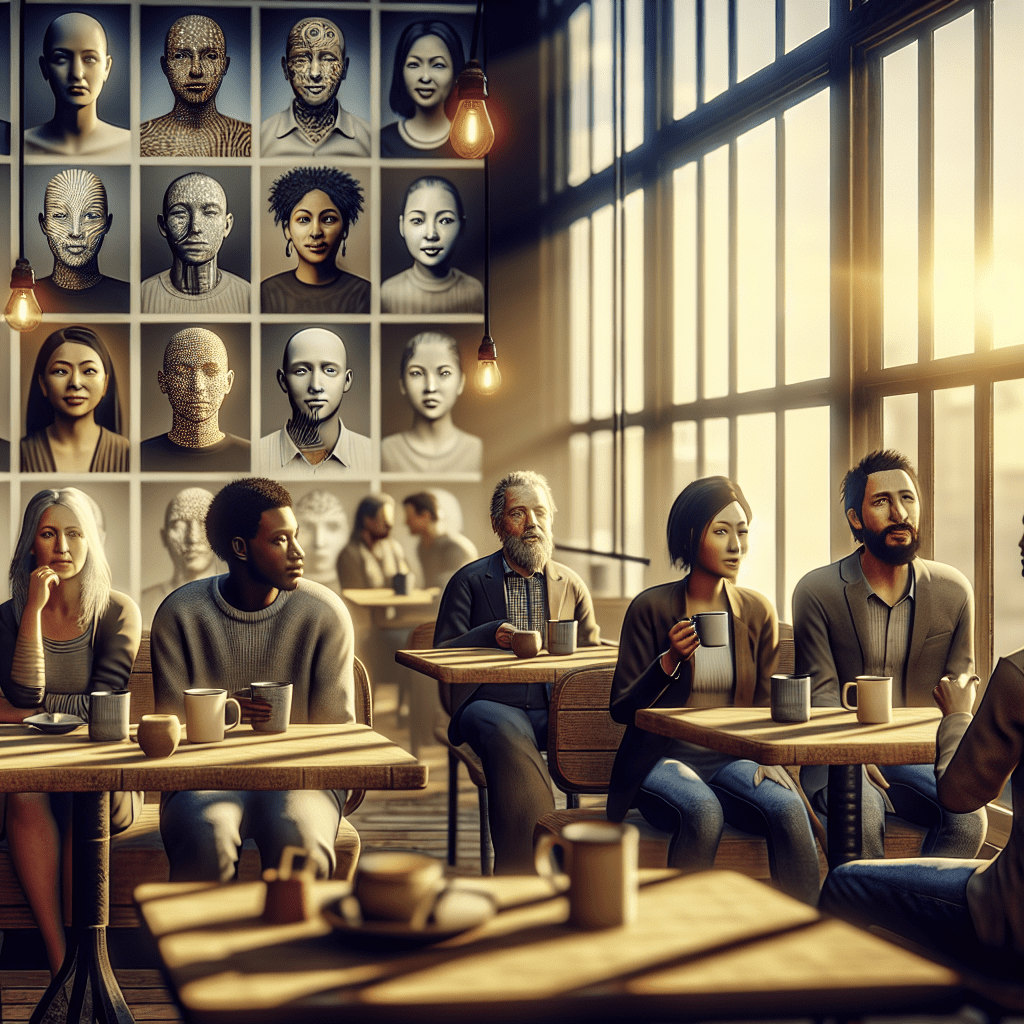
Consider organizing group activities or workshops focused on neurodiversity. Whether it’s an art class, discussion group, or a casual meetup, creating opportunities for connection can foster a sense of belonging. When they find themselves in a space where they don’t have to mask, it can ease the burden of pretending, allowing for more relaxed interactions and authentic expressions of personality.
The Benefits of Unmasking for Neurodivergent Individuals
To further understand how do you unmask a Neurodivergent person, let’s explore the plethora of benefits that come with unmasking. While the journey may initially seem challenging, yielding results can lead to long-term growth and well-being.
Improved Mental Health
One major benefit of unmasking is improved mental health. Neurodivergent individuals often experience high levels of stress and anxiety due to the pressures of conforming to societal norms. By shedding their masks, they create a more authentic and nourishing existence that allows for self-acceptance and personal growth.
As they embrace their true selves, many individuals report feeling a weight lifted off their shoulders, which can significantly reduce anxiety and depression. The freedom of being oneself invites a healthier mental state filled with self-love and acceptance.
Increased Authentic Connections
Unmasking also paves the way for deeper, more authentic connections. When neurodivergent individuals present their true selves, they attract people who appreciate them for who they are. These connections often transcend superficial interactions, contributing to more profound relationships built on understanding and mutual respect.
Moreover, authentic relationships often reduce loneliness and isolation, common feelings for many neurodivergent people. The sense of belonging creates a positive feedback loop, where acceptance fosters more unmasking, leading to unfiltered interactions that can enrich their lives.
Conclusion
Unmasking a Neurodivergent person is a journey that requires patience, understanding, and care. By creating a safe space, encouraging self-acceptance, educating ourselves and others, and connecting them with supportive communities, we can significantly contribute to their journey of unmasking. The benefits of this process are numerous, including improved mental health and deeper connections with others. Everyone deserves the space and freedom to be their authentic selves. Understanding how to unmask a Neurodivergent person isn’t just beneficial for them; it enhances society as a whole, promoting inclusivity and acceptance for all.”
FAQs
What does it mean to unmask?
Unmasking refers to the process of revealing one’s true self, often after having concealed aspects of one’s identity to fit societal norms.
Why do neurodivergent people mask their behaviors?
Many neurodivergent individuals mask their behaviors to avoid judgment and to feel accepted in environments that may not be accommodating.
How can friends help neurodivergent individuals unmask?
Friends can help by creating safe spaces, offering acceptance, and encouraging open conversations about their experiences and feelings.
What are the signs someone is masking?
Signs of masking may include mimicking social interactions, suppressing stimming, or showing signs of stress or exhaustion in social settings.
How can workplaces support the unmasking of neurodivergent employees?
Workplaces can support unmasking by promoting inclusive practices, offering flexible work arrangements, and educating staff about neurodiversity.
What is another word for Neurodivergent?
What are Signs of Mild Autism? Understanding Subtle Symptoms