

Can You Identify as Neurodiverse?
Explore neurodiversity and find out if you can identify as neurodiverse. Click to learn more about this important topic!
In a world that is increasingly recognizing the spectrum of human cognition, the concept of neurodiversity is gaining significant traction. But what does it mean to be neurodiverse, and can you identify as neurodiverse? This question isn’t just a matter of self-identification; it also relates to how we perceive and embrace variations in human brain function and behavior. The neurodiversity movement encourages acknowledgment and celebration of conditions like autism, ADHD, and dyslexia as natural variations of human cognition rather than deficits to be fixed. As society evolves, so do our understandings of identity, mental health, and the diverse ways individuals experience and interact with the world. In this article, we will unpack the concept of neurodiversity, help you navigate your thoughts on self-identification, and discuss the benefits that embracing neurodiversity can bring not only to individuals but also to society as a whole.
Understanding Neurodiversity
To truly engage with the question, “Can you identify as neurodiverse?” it’s crucial to first understand what neurodiversity entails. The term was coined by journalist Jim Sinclair in the late 1990s, primarily relating to autism but has since extended to include a wide array of neurological differences, including ADHD, dyslexia, OCD, and more.
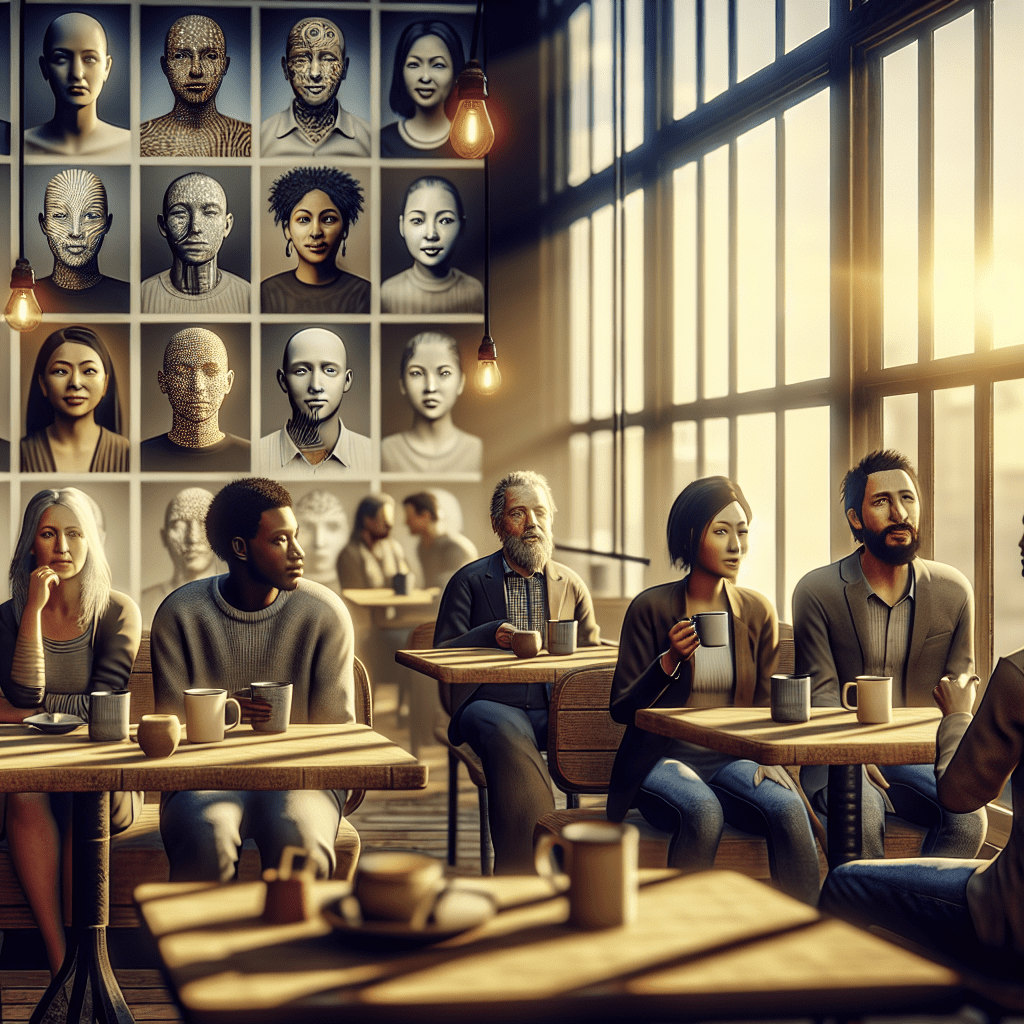
Think of neurodiversity as analogous to biodiversity in nature. Just as ecosystems thrive on variety and different species’ unique contributions, human societies benefit from a diversity of minds. Neurodiversity challenges the traditional medical model, which often views neurological differences as disorders or problems to be solved. Instead, it promotes a social model that sees these differences as valuable and worth celebrating.
This view encourages us to appreciate the unique perspectives and strengths that neurodiverse individuals can bring, such as creativity, problem-solving skills, and out-of-the-box thinking. In today’s world, where innovative solutions and alternatives are prized, the neurodiverse experience provides a vital resource.
Yet, this doesn’t mean that individuals who identify as neurodiverse don’t face challenges. Society often imposes a one-size-fits-all model of behavior and communication, which can be particularly difficult for neurodiverse individuals. Many navigate daily challenges in a world that isn’t always structured to accommodate their unique ways of thinking. Consequently, it’s essential to foster an environment where people can express their identities freely.
When asking the question, “Can you identify as neurodiverse?” it’s also important to consider your own experiences in relation to neurodiversity. Do you have a diagnosis, or do you resonate with the experiences of neurodiverse individuals? Perhaps you feel out of place in typical educational or work environments but have mastered coping mechanisms that help you navigate these settings. Diagnoses like autism or ADHD are often only the tip of the iceberg when exploring one’s neurodiversity. Your experiences, including how you relate to your thoughts, emotions, and behaviors, play a significant role in whether you choose to identify in this manner.
Self-Identification and the Spectrum of Neurodiversity
When we contemplate the question, “Can you identify as neurodiverse?”, it’s important to consider what self-identification means. For many, identifying as neurodiverse isn’t just about labels; it’s about recognizing and embracing one’s unique cognitive and behavioral patterns. Self-identification can also serve as a source of empowerment, enabling people to connect with communities, spark discussions, and advocate for their needs.
Society is beginning to recognize the fluidity of identification. Some individuals might have formal diagnoses from healthcare professionals while others might self-identify based on personal experiences that mirror those of diagnosed individuals. In the neurodiversity community, self-identification is a concept that lends itself to a more inclusive understanding of diverse cognitive experiences.
One of the most powerful aspects of self-identification is that it allows individuals to define their narratives rather than having others impose definitions upon them. For example, those with ADHD may struggle with attention but also showcase exceptional creativity or innovative thinking – qualities often downplayed in traditional educational or workplace settings. Similarly, individuals on the autism spectrum might face diagnostic stigmas yet also reflect highly nuanced social understandings and analytical perspectives.
As with any form of identity, self-identification as neurodiverse is a personal journey influenced by factors such as personal experiences, societal perceptions, and community support. Many find solace in connecting with others who share similar experiences, creating a sense of belonging. Moreover, this sense of community can be bolstered through platforms like social media, support groups, and local organizations dedicated to promoting neurodiversity.
Ultimately, the key principle here is authenticity. If you feel a connection to the neurodiverse experience, even without a formal diagnosis, you have every right to identify as such. This self-concept can lead to increased self-awareness, acceptance, and advocacy.
The Importance of Inclusion and Acceptance
Now that we’ve delved into the nuances of self-identification, let’s explore why understanding and embracing neurodiversity is crucial in our communities. Can you identify as neurodiverse? Whether or not you’re on the spectrum doesn’t diminish the relevance of inclusivity. Inclusion is not just a checkbox for diversity efforts; it brings countless benefits to educational, professional, and social settings.
Creating environments that acknowledge neurodiversity allows individuals to bring their authentic selves to the table. In educational settings, this could mean adjusting teaching styles or curricula to accommodate various learning needs. In workplaces, neurodiverse-friendly policies enhance innovation. Companies that offer flexible work environments, supportive resources for neurodiverse employees, or employee resource groups can unlock significant talent and engagement while also improving workplace morale.
Moreover, embracing neurodiversity goes beyond just producing benefits for organizations. It also promotes mental health well-being. The pressure to conform to neurotypical standards can cause immense stress for neurodiverse individuals, often leading to anxiety, depression, or burnout. By fostering acceptance, we can mitigate these negative outcomes and create a society where everyone feels valued and understood.
Think about your own experiences. When was the last time you felt truly seen? Inclusion isn’t just about accommodating differences; it’s about celebrating them. Communities that welcome neurodiversity often become vibrant hubs of creativity, resilience, and mutual support. They invite diverse perspectives that spark new ideas, ultimately driving societal advancement.
Research has shown that diversity of thought encourages more innovative solutions to problems. Thus, inclusion of neurodiverse individuals stands to benefit not only the people involved but society at large.
Final Thoughts: Embrace Diversity, Embrace You
As we conclude this exploration of whether one can identify as neurodiverse, it’s crucial to remember that every person’s journey is unique. You have the freedom to define your identity based on your experiences, feelings, and connection to the neurodiverse community. Whether you associate with the labels commonly used to describe neurodiversity or find resonance in your own narrative, the essence lies in self-acceptance.
Don’t shy away from embracing who you are and the distinct ways your brain operates. Understanding neurodiversity fuels not only personal growth but also societal acceptance. As more individuals identify and advocate for their neurodiversity, we enable a shift in perspectives that celebrates the richness of human cognition.
So, can you identify as neurodiverse? If you relate to the experiences discussed, honor that connection, and take pride in it. As we move forward into a world that slowly but surely is valuing all types of minds, remember to keep advocating for your space, your voice, and your identity. It’s what makes us human and ultimately, what brings us together.
FAQs
1. What does it mean to identify as neurodiverse?
Identifying as neurodiverse means recognizing and embracing neurological differences such as autism, ADHD, dyslexia, and others as valuable aspects of human diversity.
2. Can I identify as neurodiverse without a formal diagnosis?
Yes! Self-identification can occur based on personal experiences and understanding of neurodiversity, even if you haven’t received a formal diagnosis.
3. How does society benefit from embracing neurodiversity?
Embracing neurodiversity promotes inclusivity, enhances creativity in problem-solving, and cultivates a more accepting environment, benefiting everyone.
4. What are some common neurodiverse conditions?
Common neurodiverse conditions include autism, ADHD, dyslexia, dyspraxia, and obsessive-compulsive disorder (OCD), among others.
5. How can I advocate for neurodiversity in my community?
You can advocate for neurodiversity by educating others, promoting inclusive practices in schools or workplaces, and supporting neurodiverse individuals through awareness initiatives.
What are the Three Main Symptoms of Autism?
Where do most autistic adults live?
Is ADHD a Form of Autism? Understanding the Differences and Similarities